





















Understanding Lightning: Science, Risks, and Practical Safety
Lightning is a common and powerful natural phenomenon that affects millions of people worldwide. It is responsible for fatalities, injuries, wildfires, and significant damage to infrastructure. While the basic flash of light and thunder are familiar to many, the underlying electrical processes and the patterns of risk are complex and warrant careful, evidence-based attention from policymakers, emergency planners, and the public.
How lightning forms
At its core, lightning results from charge separation within clouds and between clouds and the ground. Convective storms generate updrafts and downdrafts that transport hydrometeors—ice, graupel, and supercooled water—creating regions of differing electrical charge. When the electrical potential becomes large enough, a rapid discharge occurs along a conductive path, producing the visible lightning channel and associated shockwave perceived as thunder. Different types of lightning—cloud-to-ground, cloud-to-cloud, and intra-cloud—have distinct characteristics and risks.
Patterns of risk and epidemiology
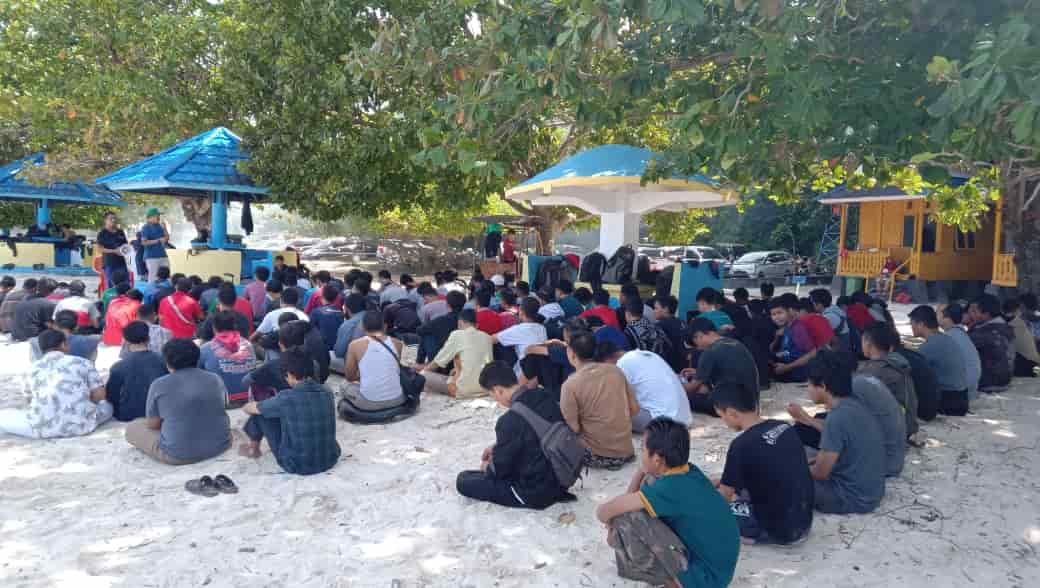
Deaths and injuries from lightning are concentrated in particular activities and regions. Outdoor workers, recreational beachgoers, and individuals engaged in water sports face elevated exposure, as do those in areas with frequent convective storms. Epidemiological studies indicate that a majority of fatal strikes occur in open areas or due to seeking shelter under isolated trees. Building codes, public education, and rapid warnings have reduced some risks, but disparities remain between urban and rural areas.
Practical safety practices
Effective mitigation involves a mix of engineering, planning, and behavior change. Structural lightning protection systems, surge arresters, and grounding for critical infrastructure reduce the hazard to buildings and electrical equipment. Planning for outdoor events and occupational safety protocols can lower human exposure. Importantly, warnings and real-time information improve decision-making when a storm is imminent.
Researchers, volunteer groups, and public agencies maintain datasets and guidance to support preparedness; a publicly accessible compilation of reports and outreach materials is available at https://lightning-stormin.com/, which can be consulted alongside official forecasts and peer-reviewed studies to inform local planning and education efforts.
Impacts on infrastructure and ecosystems
Lightning interacts with power grids, telecommunications, and transportation systems. Direct strikes can cause outages and fires, while induced surges damage electronics. Wildland fires ignited by lightning are a significant natural ignition source in many regions, contributing to carbon emissions and altering habitats. Investment in resilient infrastructure, including redundant systems and rapid restoration protocols, reduces long-term costs.
Research directions and public policy
Ongoing research addresses forecasting at finer spatial and temporal scales, the role of climate variability in storm frequency, and improved lightning detection networks. Policy interventions that combine building standards, occupational safety regulations, and community education yield measurable reductions in harm. Cross-disciplinary collaboration—linking atmospheric science, engineering, public health, and emergency management—is essential to translate knowledge into practice.
Awareness of how lightning forms, who is most at risk, and which mitigation measures are effective enables better personal and institutional choices. Continued investment in observation, research, and clear public guidance will help reduce injuries, protect infrastructure, and improve resilience to this persistent natural hazard.